Emergency Dentist Plano, TX for Urgent Tooth Extractions

A tooth rarely becomes an emergency without warning, but the warning signs are often easy to dismiss until the pain becomes impossible to ignore. A deep crack from biting down on something hard, a molar that has been throbbing on and off for weeks, swelling that starts near the gumline and creeps into the cheek, these are the kinds of problems that can turn an ordinary day into a scramble for urgent dental care. When that happens, finding an emergency dentist Plano, TX patients can reach quickly matters for more than comfort. In many cases, timing affects whether the situation stays manageable or becomes more complicated.
Urgent tooth extractions sit in a difficult space. No one wants to lose a tooth, and a careful dentist will always look first at whether the tooth can be saved. But there are moments when removal is the safest path, the fastest way to stop severe pain, control infection, or prevent damage to the surrounding teeth and bone. Patients often arrive hoping for a filling or a quick fix, then discover that the tooth is too far gone. That is a hard conversation, especially when the problem is sudden, but it is also a common one.
In practice, emergency extractions tend to fall into a few familiar categories. A tooth may be fractured below the gumline after trauma. Decay may have destroyed so much structure that there is no stable Emergency dentist Plano, TX foundation left for a crown. An abscess may have created pressure, swelling, and pain that worsen by the hour. Wisdom teeth can also trigger emergencies, especially when they are partially erupted, inflamed, or pressing into neighboring molars. The details differ, but the pattern is the same: the body is telling you something is wrong, and delaying care usually makes treatment more difficult.
When a tooth extraction becomes urgent
Not every toothache means a tooth needs to come out, and not every broken tooth requires same-day treatment. The distinction is clinical, but patients feel it in practical terms. Can you sleep? Can you chew? Is the swelling spreading? Has over-the-counter pain relief stopped helping? Those are the kinds of clues that push a situation from inconvenient to urgent.
A dentist typically considers urgent extraction when a tooth is non-restorable and actively causing significant pain, infection, or risk to adjacent structures. "Non-restorable" is an important term here. It does not simply mean the tooth is damaged. It means the remaining tooth structure, gum support, or root condition makes a predictable repair unlikely. That judgment usually depends on an exam and X-rays, because the part you can see in the mirror is often only half the story.
Severe infection is one of the clearest reasons to act quickly. Patients often describe a pulse-like ache that keeps them awake, sensitivity that lingers long after cold or heat is gone, or a sense of pressure in the jaw. Swelling can be localized at first, then spread into the face or under the jaw. A bad taste in the mouth or a pimple-like bump on the gum may signal drainage from an abscess. Once infection is involved, the goal is not simply pain relief. It is controlling a process that can worsen fast, particularly if the swelling begins to affect swallowing or breathing.
Trauma is another frequent cause. A front tooth knocked loose in a fall, a cracked molar after chewing ice, a vertical fracture that splits a tooth into separate segments, these injuries often create a level of instability that cannot be stabilized with a filling or crown. Back teeth are especially vulnerable because they absorb heavy force. I have seen patients surprised that the actual break was much deeper than what they felt with their tongue. A small sharp edge may be all they notice, while the root has already been compromised below the gumline.
Sometimes urgency comes from history rather than dramatic symptoms. A tooth that has had repeated root canals, crowns, fractures, or large fillings can reach the point where one more failure leaves no durable repair. In those cases, the emergency is less about one dramatic event and more about accumulated damage finally tipping past the point of salvage.
Signs you should seek same-day care
A few symptoms deserve quick attention because they often indicate infection, advanced damage, or a high risk of complications:
- swelling in the gums, cheek, or jaw, especially if it is increasing
- severe tooth pain that does not ease with rest or basic pain medicine
- a broken tooth with exposed nerves, sharp fragments, or heavy bleeding
- fever, foul taste, or pus drainage near the painful tooth
- trouble opening the mouth, swallowing, or biting down normally
Not every patient with these symptoms ends up needing an extraction, but all of them justify prompt evaluation. If swallowing or breathing becomes difficult, that moves beyond routine dental urgency and into emergency medical territory.
Why dentists sometimes remove a tooth instead of saving it
People often assume extraction is the cheaper or faster choice, full stop. It can be faster in the moment, but the decision is more nuanced than that. Dentists balance several questions at once: Can the infection be controlled while preserving the tooth? Is there enough healthy structure left for a restoration to hold up? Will saving the tooth require multiple procedures with a guarded prognosis? How much bone support remains? What is the long-term outlook compared with removal and replacement?
Take a badly decayed molar as an example. If decay extends deep below the gumline, the dentist may be unable to place a crown margin on healthy tooth structure. Even if a root canal is technically possible, the final restoration may fail because there is simply not enough sound tooth left. In another scenario, a vertical root fracture may mimic a routine toothache at first but almost never heals predictably. Once a root is split, bacteria travel along the fracture line, and repeated infections are common. Trying to save that tooth can mean spending time and money on treatment that does not last.
Wisdom teeth bring another set of trade-offs. Some are removed electively before they cause trouble. Others wait quietly for years, then flare up with pain, swelling, or infection around partially erupted gums. In emergency settings, lower wisdom teeth are often the main offenders. Food and bacteria collect around the tissue flap, the area becomes tender and inflamed, and chewing against the swollen gum can be miserable. If the tooth is impacted against the second molar or difficult to clean, the case for removal gets stronger.
The key point is that extraction is not a shortcut chosen casually. It is usually the result of a practical clinical judgment that preserving the tooth would be unreliable, unsafe, or unfair to the patient.
What happens during an emergency extraction visit
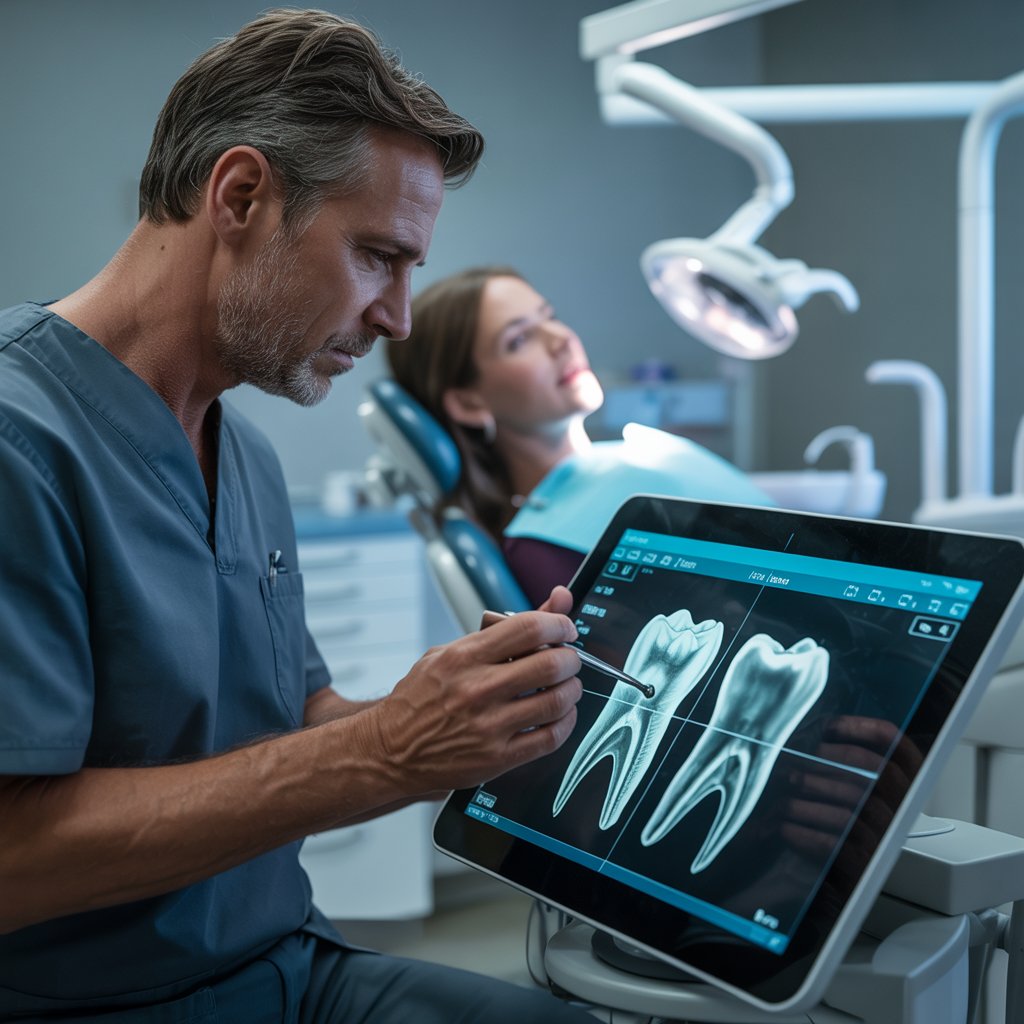
Emergency dental appointments tend to be focused and efficient. The first priority is diagnosis. A dentist will review your symptoms, examine the area, and take appropriate X-rays. Those images help identify decay beneath old restorations, abscesses at the root tip, bone loss, fracture patterns, and the position of nearby anatomical structures. That last point matters, especially with lower molars and wisdom teeth, because roots can lie close to nerves.
After the exam, the dentist explains whether the tooth can be treated conservatively or whether extraction is the best option. If removal is recommended, the conversation should include what kind of extraction is planned. Some are simple extractions, where the tooth is loosened and removed without surgical exposure. Others are surgical extractions, which may require opening the gum, removing bone, or sectioning the tooth into parts for safer removal. Patients are often anxious when they hear the word "surgical," but many surgical extractions are still routine in experienced hands.
Numbing the area thoroughly is the next step. If the tooth is acutely infected, achieving full anesthesia can take more time because inflamed tissues are less predictable. That does not mean the extraction should be painful, but it may require patience, additional local anesthetic, or staging treatment in a specific way. Once the area is numb, the dentist removes the tooth, controls bleeding, and places gauze. Sometimes stitches are used, particularly after surgical extractions.
The appointment usually ends with very practical instructions. How long to bite on gauze, what to eat that evening, which medications to use, what kind of bleeding is normal, and what warning signs should prompt a call back. Patients often remember only part of this because they are tired and relieved the pain source is out, so written aftercare matters.
Pain, pressure, and what patients often feel
One of the biggest fears around urgent extraction is pain during the procedure. In reality, most patients describe pressure more than sharp pain once anesthesia is effective. Teeth sit in the ligament and bone like pegs rather than nails, so removal involves controlled movement, not a sudden pull. The sensations can feel strange, especially if you have never had a tooth extracted, but they are usually brief.
The soreness afterward varies. A simple extraction may leave a day or two of mild to moderate discomfort. A surgical extraction, especially of a lower wisdom tooth, can produce more swelling and stiffness for several days. Age, smoking status, the degree of infection, and how traumatic the extraction was all influence recovery. So does location. Upper teeth often recover a bit more easily than lower molars because the bone is less dense.
A lot of anxiety comes from not knowing what is normal. Oozing on gauze for a few hours is expected. Swelling that peaks around the second or third day is common. A small amount of blood-tinged saliva can look more dramatic than it is. What is not normal is heavy bleeding that will not slow, rapidly increasing swelling, worsening pain after initial improvement, or fever that develops after the first day or two.
The dry socket issue patients hear about
Dry socket is one of those terms that spreads quickly because people remember it. It happens when the blood clot at the extraction site dissolves or dislodges too soon, exposing bone and nerves. The result is a deep, aching pain that usually shows up a few days after extraction, often with a bad taste or odor. It is unpleasant, but it is treatable.
Certain factors increase the risk. Smoking is a major one. Vigorous rinsing, using straws too early, and difficult extractions can also contribute. This is why aftercare instructions often sound repetitive. Protecting the clot matters. A patient who feels fine on the evening of the extraction may underestimate how easy it is to disturb the site the next morning with aggressive swishing or crunchy food.
Good emergency dentists do not just remove the tooth. They coach patients through the recovery details that lower the odds of a setback.
Before you get to the office
If you are trying to make it through the hours before an emergency dental appointment, a few sensible measures can keep the situation from worsening:
- rinse gently with warm salt water if it feels soothing
- use a cold compress on the outside of the face for swelling
- avoid chewing on the painful side
- do not place aspirin directly on the gum or tooth
- bring a list of medications, allergies, and recent symptoms
That last point matters more than many people realize. Medications such as blood thinners, certain osteoporosis drugs, and some immune-suppressing therapies can affect treatment planning. The dentist needs the full picture, especially in urgent situations where decisions are made quickly.
Cost, timing, and the practical side of urgent care
Patients dealing with severe dental pain usually have two concerns at once: how soon can I be seen, and what will this cost? Exact fees vary by office, case complexity, imaging, sedation needs, and whether the extraction is simple or surgical. A straightforward anterior tooth extraction is usually less costly than removing a deeply broken lower molar or impacted wisdom tooth. If bone grafting is considered for a future implant, that adds another layer to the estimate.
The more useful way to think about cost is in phases. There is the emergency exam and X-rays, the extraction itself, any medications prescribed, and then the replacement plan if one is needed. Replacing a missing tooth is not always Emergency dentist Plano, TX urgent, but discussing the long-term plan early prevents drift. Teeth can shift, bite forces can change, and some patients adapt to a missing tooth in ways that create new problems down the line.
Timing also affects complexity. A patient who seeks care when the tooth first fractures may have more options than someone who waits until infection and swelling are advanced. That does not mean every delay is avoidable. Life gets in the way, symptoms wax and wane, and plenty of people hope the pain will settle. Still, when the issue is clearly escalating, early evaluation tends to preserve more choices.
For anyone searching specifically for an emergency dentist Plano, TX, availability outside standard business hours can be a deciding factor. Dental emergencies are notorious for flaring at inconvenient times: late evenings, weekends, and before travel. A practice that can triage quickly, explain whether the case needs immediate extraction or temporary stabilization, and coordinate follow-up has real value beyond the procedure itself.
Special considerations for children, older adults, and medically complex patients
Urgent extractions are not one-size-fits-all. In children, the question is sometimes whether the painful tooth is primary or permanent, and whether removing it affects space for adult teeth. In older adults, brittle teeth, extensive restorations, and medications can make extractions more technically sensitive. Patients with diabetes, heart conditions, cancer treatment histories, or compromised immune systems often need a little more planning even in an emergency.
Blood pressure, blood sugar control, anticoagulant use, and recent infections elsewhere in the body can all influence the safest approach. So can a history of difficult numbing, jaw limitations, or severe dental anxiety. None of these issues automatically prevent urgent extraction, but they shape the logistics. A dentist with emergency experience usually spots these concerns quickly and adjusts the plan instead of forcing a standard routine onto a nonstandard patient.
Dental anxiety deserves special mention because it changes behavior. People who are afraid often wait longer, arrive in worse pain, and feel embarrassed that the problem progressed. That embarrassment can keep them from asking questions they need answered. A calm, efficient emergency visit makes a real difference. Patients do better when they know what is happening, how long it should take, and what they are likely to feel.
After the tooth comes out, what comes next
Relief is often immediate once the pressure source is gone, especially if infection was trapped around the roots. But extraction is not the end of treatment in every case. The next step depends on which tooth was removed, the condition of the surrounding bone, your bite, and your goals.
A missing back tooth may not seem urgent to replace if the opposite side can still chew comfortably. That said, molars do important work, and losing one can shift extra force onto neighboring teeth. A missing front tooth has a different set of consequences, including appearance and speech. Replacement options typically include implants, bridges, or removable appliances, and each carries trade-offs in cost, timing, and invasiveness.
There are also cases where immediate replacement is not the smart move. If active infection is severe, the site may need time to heal before the next phase. If the tooth was removed because of a traumatic fracture, nearby tissues may need to settle first. Good planning means resisting the urge to promise a one-visit fix when the biology says otherwise.
Choosing the right emergency dental care in Plano
When pain is intense, people often choose the first available appointment and ask questions later. That is understandable, but a few qualities separate rushed care from dependable care. You want a practice that can assess the problem accurately, not assume every painful tooth needs extraction. You want clear communication about what the X-rays show, whether the tooth is salvageable, and what recovery will involve. You also want realistic follow-through, especially if the case is surgical or if the patient has medical factors that complicate treatment.
A capable emergency dentist Plano, TX patients trust usually combines speed with judgment. Fast access matters, but so does the willingness to say, "This can be saved," or, just as importantly, "Saving this tooth would not hold up." That kind of honesty is what patients remember after the immediate pain fades.
Tooth emergencies are disruptive, often expensive, and never well timed. Yet the path through them is usually simpler once the right diagnosis is made. If you are facing severe pain, swelling, or a tooth that is too damaged to function, prompt evaluation is the smartest move. Some teeth can still be rescued. Others need to come out before they cause more trouble. The important thing is not guessing which is which from home. The important thing is getting skilled eyes on the problem before the problem grows.
Vitality Dental
1220 Coit Rd # 106, Plano, TX 75075, United States
+1 972-645-4100
FAQ About Emergency dentist Plano, TX
Will the ER do anything for dental pain?
An emergency department can assess urgent symptoms and provide medical stabilization. Definitive treatment of the tooth usually requires a dentist. Seek emergency medical care for breathing or swallowing difficulty, uncontrolled bleeding, or serious facial injury.
What to do if I have a dental emergency in the middle of the night?
Contact a dentist or after-hours dental service promptly for guidance. If a permanent tooth is knocked out, keep it moist in milk while seeking immediate care. If symptoms suggest a medical emergency, go to an emergency department.
What qualifies as a dental emergency?
A knocked-out permanent tooth, severe or persistent tooth pain, a significant dental injury, or swelling may require urgent dental assessment. Call a dentist to describe the symptoms and determine timing. Uncontrolled bleeding or difficulty breathing or swallowing requires emergency medical care.
Ends · CONNERSCTA670