Same-Day Dental Emergency Appointments: What You Need to Know
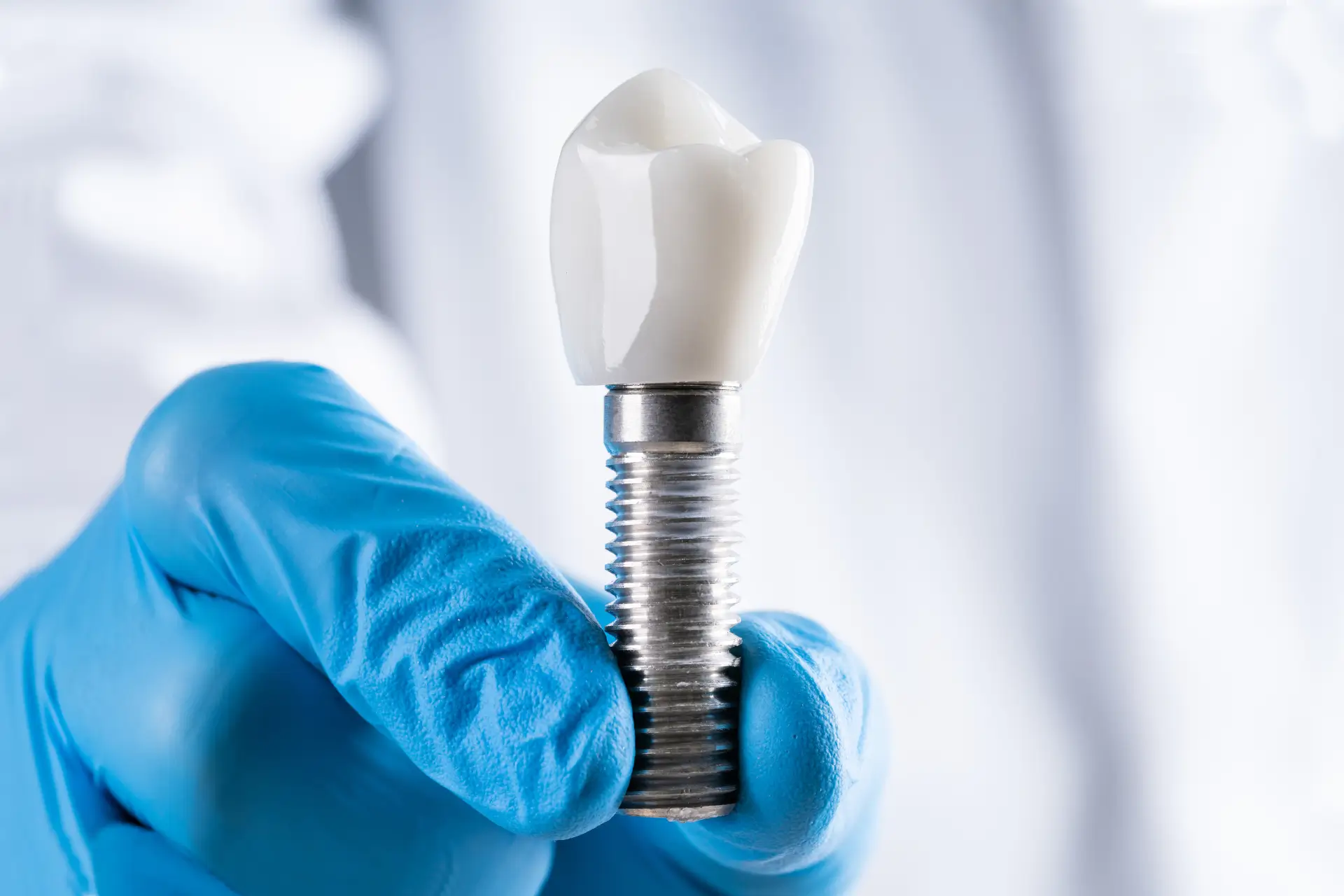
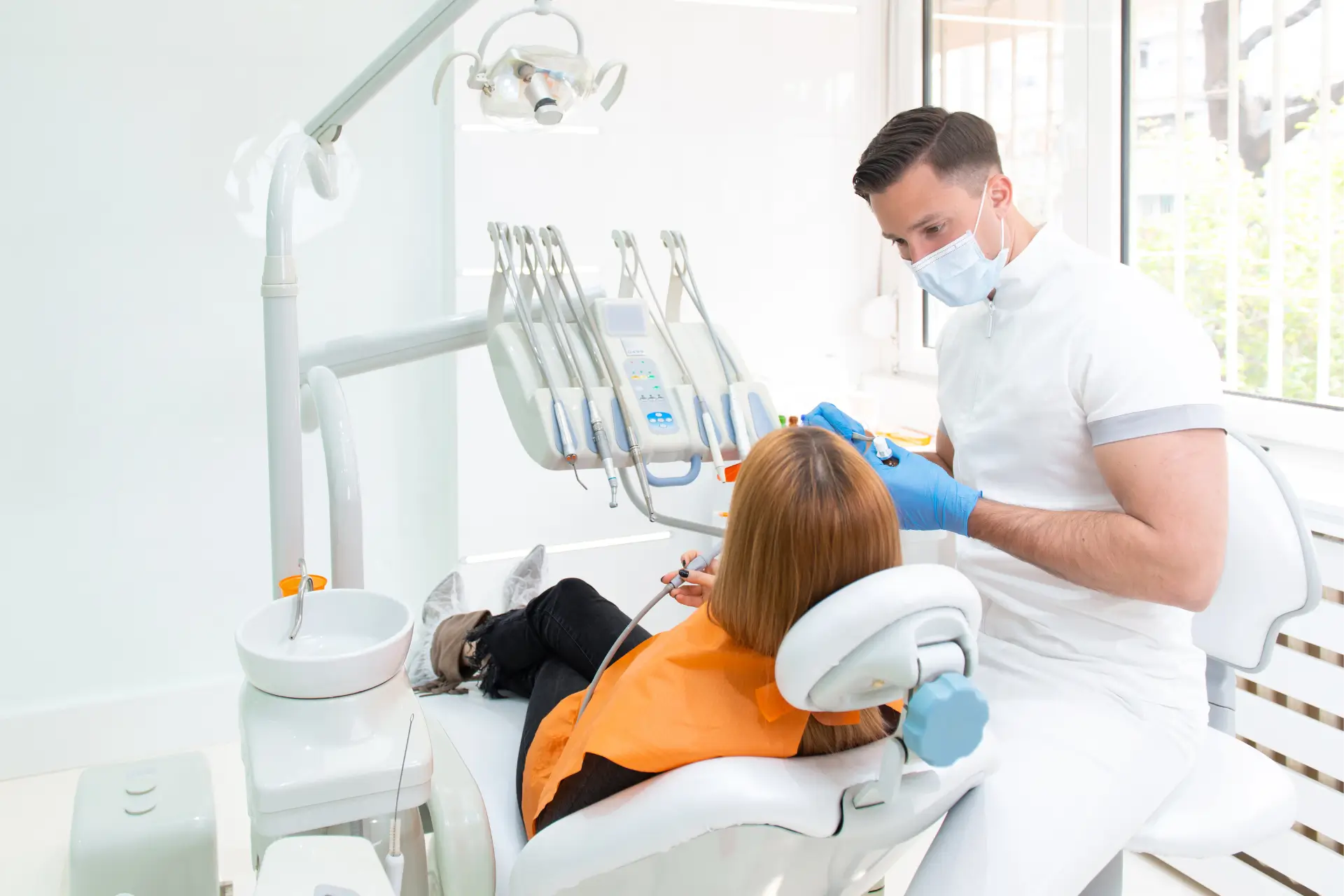
A true dental emergency has a way of shrinking your world down to one tooth, one swollen gum, one sharp jolt of pain that makes it hard to think about anything else. People often call a dental office hoping for same-day help and begin the conversation with an apology, as if they are overreacting. Most are not. When pain is escalating, a tooth has broken, a crown has come off before an important event, or a child has taken an elbow to the mouth at soccer practice, time matters.
Same-day dental emergency appointments exist for exactly these situations. They are designed to assess pain, stop active damage, reduce infection risk, and stabilize the problem so a dentist can either complete treatment right away or map out the next step safely. The key is knowing what counts as urgent, what to expect when you call, and how to protect the tooth or surrounding tissue in the meantime.
The phrase “same-day” can create some confusion. It does not always mean that every issue will be fully solved in one visit. It usually means you will be seen promptly, examined, and treated to the extent possible that day. Sometimes the full fix is straightforward, such as smoothing a chipped edge, recementing a crown, or draining an abscess. Sometimes the dentist’s first job is to control the immediate problem, relieve pain, and schedule a root canal, extraction, or specialist visit within the safest window.
What counts as a dental emergency
Not every dental issue requires immediate care, but many do. In practice, urgency depends less on how dramatic something looks and more on whether there is severe pain, active bleeding, swelling, trauma, or risk of losing a tooth.
A cracked filling that feels a little rough on your tongue may be uncomfortable but not dangerous. A cracked tooth that hurts when you bite, keeps you awake at night, or exposes the inner tooth structure is different. Mild sensitivity after whitening can usually wait. Facial swelling near a painful tooth can move into dangerous territory quickly, especially if it is spreading, affecting swallowing, or accompanied by fever.
A few situations almost always deserve same-day attention:
- severe toothache that is not settling down
- swelling of the gums, face, or jaw
- a knocked-out or loose adult tooth after injury
- uncontrolled bleeding in the mouth
- a broken tooth with pain or exposed nerve tissue
There is an important distinction between urgent dental care and a medical emergency. If swelling is affecting breathing, swallowing, or the ability to open the mouth, or if there is significant facial trauma, loss of consciousness, or heavy bleeding that will not stop, that is no longer just a dental matter. Emergency medical care comes first.
Why same-day care matters more than people realize
Dental problems often worsen by the hour, not just by the week. A deep cavity can move from manageable inflammation to an infected pulp. A small crack can become a split tooth after one hard bite on the wrong side. A loose crown can turn into a fractured tooth if left unprotected long enough. With trauma, the first hour can be decisive.
One of the clearest examples is a knocked-out adult tooth. If the tooth is handled properly and replaced quickly, the chances of saving it are significantly better than if it sits dry in a tissue for several hours. The same principle applies to oral infections. What begins as throbbing pressure in the gum can become visible swelling by evening. Dentists take these patterns seriously because they see how quickly “I thought I could wait until Monday” becomes “I wish I had called yesterday.”
There is also a practical reason to seek care quickly: pain is often easier to control when the problem is addressed early. A tooth that only hurts when you chew may need a filling or crown. The same tooth, ignored for another week, may need root canal treatment or extraction. Same-day access is not just about comfort. It can preserve treatment options.
What happens when you call for a same-day appointment
The phone call matters. Front desk teams in well-run practices are trained to sort symptoms quickly and identify who needs to be seen first. If you say only “I have a tooth problem,” you may not get the fastest placement. If you explain clearly that you have swelling, trauma, severe pain, or a broken tooth with exposed tissue, that helps Dental Emergency the team assess urgency.
Expect a few focused questions. They may ask when the pain started, whether it is constant or triggered by cold or biting, whether there is swelling, whether you have a fever, and whether the problem followed an injury. If a tooth has been knocked out, they may give immediate instructions before you even arrive. If you are bleeding after an extraction or oral surgery, they will likely ask what you have already tried and how long the bleeding has continued.
Be prepared to share your medical history, current medications, and any drug allergies, especially if there is a chance you may need antibiotics, numbing medication, or a procedure. If you are pregnant, on blood thinners, or have a heart condition, mention it early. These details do not usually delay emergency care, but they do shape how treatment is delivered.
Sometimes patients are surprised that an office asks them to come in for an exam and X-rays before promising a specific treatment. That is standard and sensible. Tooth pain can be deceptive. What feels like an upper tooth may actually be a sinus issue. A cracked tooth can masquerade as gum pain. A dentist needs to localize the source before drilling, prescribing, or extracting.
What the dentist can often do that day
Same-day treatment is not one-size-fits-all. A dentist’s goal is to relieve the immediate threat and preserve as many options as possible. Depending on the problem, that may mean performing definitive treatment then and there, or stabilizing things until a longer visit can be arranged.
For example, if a filling has fallen out and the tooth is otherwise sound, replacing it the same day is often realistic. If a crown has come off and still fits well, recementing it may take only a short visit. A sharp broken edge can often be smoothed or temporarily bonded to protect the tongue and cheek. If infection is present, the office may drain localized swelling, open the tooth to reduce pressure, start root canal therapy, or prescribe medication when appropriate.
More complex cases can take a staged approach. A badly infected molar may need urgent diagnosis, pain control, and a short procedure to stabilize it, with full root canal treatment or extraction scheduled soon after. A fracture below the gum line may not be fully treatable in a general office on the same day, but the patient can still leave with a diagnosis, a temporary measure, pain management guidance, and a referral that reflects the actual urgency.
One of the biggest misconceptions is that antibiotics alone solve a dental emergency. They do not fix a decayed or dying tooth. When infection comes from inside the tooth or around the root, the source usually needs to be removed, drained, treated with root canal therapy, or extracted. Antibiotics can support treatment in selected cases, especially when there is spreading infection, swelling, or systemic symptoms, but they are not a substitute for dental care.
Cases that are urgent, but not always dramatic
Some dental emergencies do not look severe from the outside. A cracked tooth is a good example. Patients often say, “It doesn’t look that bad,” while describing a very specific pain when they release a bite. That pattern can point to a crack that may deepen if ignored. Catching it quickly can be the difference between protecting the tooth with a crown and losing the tooth entirely.
Lost fillings and crowns can also be more time-sensitive than they seem. If a temporary crown comes off during an ongoing treatment plan, the underlying tooth may shift or become sensitive. If a permanent crown comes off because the tooth underneath has fractured or decayed, the issue may no longer be as simple as gluing it back on. Bringing the crown with you helps. Sometimes it can be reused, sometimes it cannot.
Another underappreciated problem is localized gum swelling or a pimple-like bump on the gum. Patients often assume this is minor because the pain may actually fade once pressure starts draining. That can create a false sense of improvement. A draining fistula usually means there is an active infection somewhere that still needs treatment.
What you can do before you get to the office
The period between the phone call and the appointment matters. Simple first-aid steps can reduce pain and improve the odds of a better outcome. The right step depends on the problem.
If a tooth has been knocked out, hold it by the crown, not the root. If it is dirty, rinse it gently with clean water for a few seconds, but do not scrub it. If you can place it back into the socket easily and safely, do so and bite gently on clean gauze. If that is not possible, keep it moist in milk or a tooth preservation solution if available. Letting it dry out is one of the most common reasons it cannot be saved.
If there is swelling on the face, a cold compress on the outside of the cheek can help with discomfort. Heat is usually a poor choice because it can increase swelling. For bleeding, apply firm pressure with clean gauze or a tea bag if instructed by the office. For a broken tooth, save any pieces if you can. For a lost crown, place it in a container and bring it with you.
A few things are best avoided. Do not place aspirin directly on the gum or tooth. It can burn the tissue and does nothing useful for the cause of the pain. Do not try to glue a crown back with household adhesive. Do not keep chewing on the affected side to “test” whether the pain is still there. That is how small cracks turn into large ones.
The first visit may be about diagnosis as much as relief
A same-day emergency appointment often moves quickly, but it is still a clinical appointment, not a guess. Expect the dentist to examine the area, take one or more X-rays when appropriate, and perform a few tests. They may tap the tooth, check the bite, use cold to test nerve response, or look for movement that suggests trauma or fracture.
Patients sometimes feel disappointed if the dentist does not immediately jump into the final procedure. In reality, good emergency care begins with precision. Treating the wrong tooth is worse than waiting an extra half hour for proper imaging. Pain can radiate. Sinus pressure can mimic upper molar pain. Jaw muscle strain can feel like a toothache after clenching. An experienced clinician separates these possibilities before committing to irreversible treatment.
There are also situations where the dentist will intentionally take a conservative step first. If the tooth is very inflamed, profoundly numbness-resistant, or difficult to diagnose because several teeth are involved, the best same-day care may be interim treatment that settles things enough for a more accurate final procedure soon after. That is not delay for delay’s sake. It is clinical judgment.
Cost, insurance, and why prices vary
One of the first questions patients ask, often after they hang up and regret not asking sooner, is what a same-day emergency appointment will cost. The honest answer is that it depends on what needs to be done. An emergency exam and X-rays usually cost far less than the treatment that may follow. A simple recementation, temporary dressing, or adjustment is very different from an extraction, root canal start, or surgical intervention.
Most offices can at least estimate the exam-related cost before you arrive. Full treatment estimates often require diagnosis first. That can feel frustrating when you are in pain, but there is no ethical way to quote accurately for a problem that has not been examined. A patient may think they need a filling, then the X-ray shows a deep infection or a split root. Those are entirely different visits.
Insurance coverage also varies. Some plans cover emergency exams well but contribute less toward crowns or root canals. Others distinguish between palliative treatment and definitive treatment. If finances are a concern, say so early. Many offices can discuss phased care, financing options, or the most urgent treatment to do first. Patients are often relieved to hear that the immediate priority is not always the most expensive possible solution that day.
Dental emergencies in children need a slightly different lens
Children complicate the picture because fear, communication, and growth all play a role. A child may say “my whole mouth hurts” when the issue is one injured baby tooth, or may seem perfectly fine right after a fall and then develop swelling later. Same-day evaluation matters when there is trauma, bleeding, swelling, significant pain, or a broken tooth with exposed areas.
Baby teeth and adult teeth are managed differently. Parents are often surprised to learn that a knocked-out baby tooth is usually not replanted because doing so can damage the developing adult tooth underneath. An adult tooth in a child or teen is a different matter entirely and may require urgent repositioning or splinting.
The emotional side matters too. A calm, matter-of-fact tone from the parent often helps more than elaborate reassurance. Children read adult anxiety quickly. Bringing details about the injury, including when it happened and whether the child lost consciousness, makes the dental visit more efficient and safer.
When “wait and see” is reasonable, and when it is not
There are dental problems that can wait a day or two without major risk. A dull ache that comes and goes, mild sensitivity to cold, or a small chip with no pain may not require a same-day slot in every case. Even then, it should still be scheduled promptly. Teeth are not self-repairing structures, and “it stopped hurting” is not reliable evidence that the problem has gone away.
What is not safe to watch casually is worsening pain, swelling, fever, difficulty chewing, a bad taste with drainage, trauma, or a tooth that feels suddenly mobile for no obvious reason. Likewise, a patient who is immunocompromised, undergoing cancer treatment, poorly controlled diabetic, or otherwise medically vulnerable may need faster attention for what would be a moderate problem in someone else.
This is where experience matters. Triage is not just about the diagnosis on paper. It is about the pattern, speed, and context of the symptoms.
How to improve your odds of getting quick care
Not every office keeps the same kind of emergency availability. Some reserve time every day for urgent patients. Others squeeze emergencies into an already tight schedule. If you have a regular dentist, calling there first is usually best because they know your history and may be able to fit you in faster than a new office can. If you do not have a regular dentist, look for practices that explicitly mention emergency appointments and ask whether they can see new patients the same day.
When you call, be concise but specific. This helps far more than a long backstory. A useful report sounds like this: “I broke my lower molar this morning, the pain is sharp when I bite, and my cheek has started swelling.” That gives a scheduler something actionable. Compare that with “My tooth has been bothering me for a while,” which does not communicate urgency as clearly.
Bring identification, insurance information if you have it, a list of medications, and any dental appliance or restoration that came out, such as a crown, bridge piece, or denture fragment. Arriving a few minutes early can save time if forms are needed, especially at a new office.
What recovery looks like after the emergency visit
The immediate wave of relief after a same-day appointment can be substantial, but recovery depends on what was done. If the dentist placed a temporary restoration, adjusted your bite, drained an infection, or began root canal therapy, the area may remain sore for a day or two. That can be normal. What should improve is the intensity, pressure, or instability that brought you in.
Patients sometimes make the mistake of skipping the follow-up because they feel better. This is common after temporary treatment for an infected tooth. Pain decreases, life gets busy, and the unfinished tooth is forgotten until it flares again, often worse. A same-day emergency appointment solves the urgent phase. It does not erase the need for definitive care.
A good office will give clear instructions about what to expect, what to avoid eating, how to keep the area clean, and what signs should prompt a call back. If something feels off, especially increasing swelling, worsening pain after initial improvement, fever, or trouble swallowing, reach out right Dental Emergency away.
The best emergency appointment is the one you never need
Dental emergencies can never be prevented completely. Accidents happen. Fillings fail. People crack teeth on olive pits, ice cubes, and unpopped popcorn kernels with surprising regularity. That said, many emergencies are the final chapter of a problem that gave early warnings.
The most preventable crises tend to begin with postponed care. A small cavity that was “not hurting yet” becomes a weekend abscess six months later. A recommendation for a night guard gets pushed aside until a cracked molar shows up in the middle of a stressful quarter at work. A crown that felt loose for two weeks finally comes off during dinner before a flight.
Regular checkups, timely repairs, and basic protection during sports make a real difference. So does paying attention to bite changes, recurring sensitivity, and intermittent pain. Teeth often whisper before they scream.
A quick reality check on pain
Dental pain is not always proportional to damage. Some very serious problems hurt less than you would expect, while some smaller ones are intense. A tiny exposed dentin surface can produce searing cold sensitivity. A tooth with a dying nerve may become oddly quiet just as the infection is spreading beyond the root. This is one reason dentists do not rank emergencies by pain alone.
If you are unsure whether your situation qualifies as a Dental Emergency, err on the side of calling. A reputable office would rather reassure you that something can wait than have you sit at home with a worsening infection or a salvageable tooth drying out on the bathroom counter.
Same-day dental emergency appointments are not a luxury service. They are a practical safety net for a category of problems that does not respect work schedules, weekends, or travel plans. When used appropriately, they reduce suffering, preserve teeth, and often prevent more complex treatment later. The smartest move is usually the simplest one: call early, describe the problem clearly, and let the office guide you to the fastest safe next step.
Vitality Dental
Address: 1220 Coit Rd #106, Plano, TX 75075
Phone number: +19726454100
FAQ About Dental Emergency
What can the ER do for a tooth?
An emergency room (ER) can manage pain and treat severe infections with medication, but it cannot fix or pull a tooth.
What is considered a dental emergency?
A dental emergency is any oral health problem that involves severe pain, uncontrollable bleeding, or an infection that threatens your health or requires immediate care to save a tooth.
Is there a 24-hour dental service in Plano, TX?
There is no physical dental clinic in Plano, Texas, that stays open with walk-in staff 24 hours a day, but several offices offer 24/7 phone support, late-night hours, or same-day emergency care.
Ends · CONNERSCTA670